
Director: Kaouther Ben Hania
Cast: Saja Kilani, Motaz Malhees, Amer Hlehel
Kaouther Ben Hania gives a heartbreaking voice to Palestinian plight
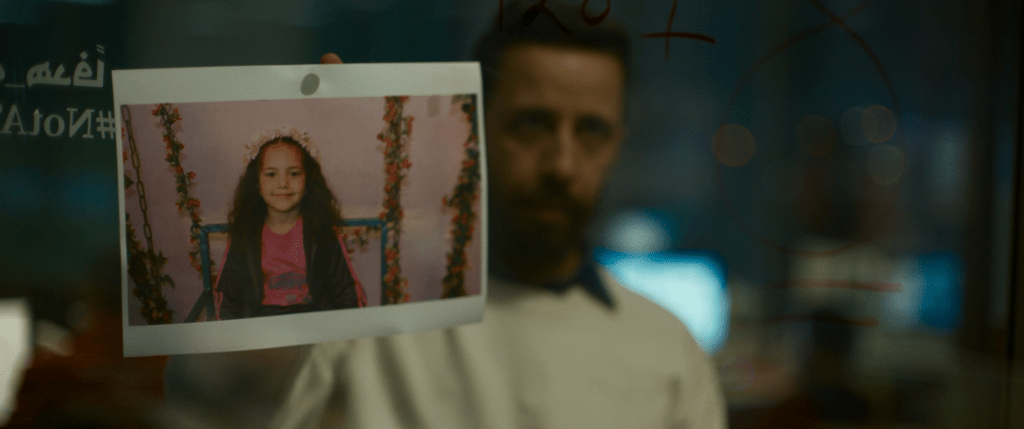
History’s most devastating crises are often defined by the suffering of a single child; for the Vietnam War had the fleeing figure of Kim Phuc (‘Napalm Girl’); for the Syrian Refugee Crisis, it was still body of Aylan Kurdi, in Gaza, that voice belongs to six-year-old Hind Rajab.
Even with Hind’s mother’s blessing, some may question the film’s rapid 18-month turnaround, but in the context of ongoing atrocities in Gaza, urgency feels not only justified but essential. Its release during the genocide turns the docudrama into more than documentation, it becomes an act of intervention.
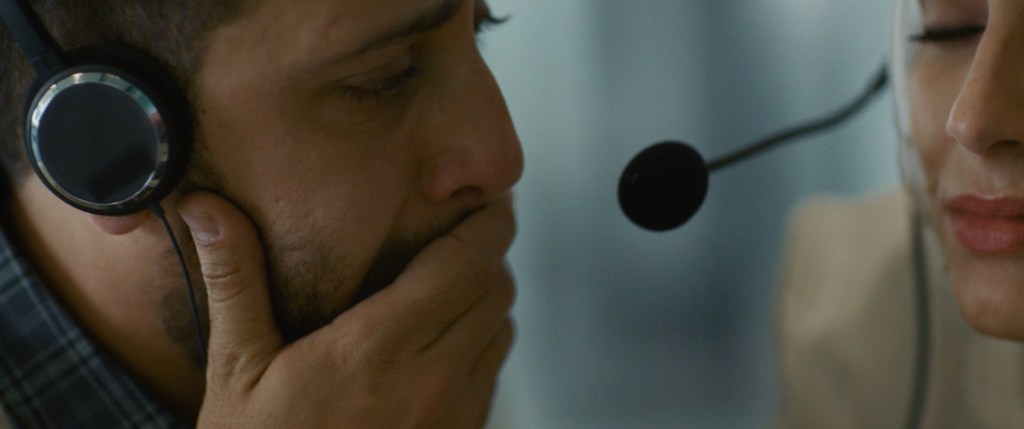
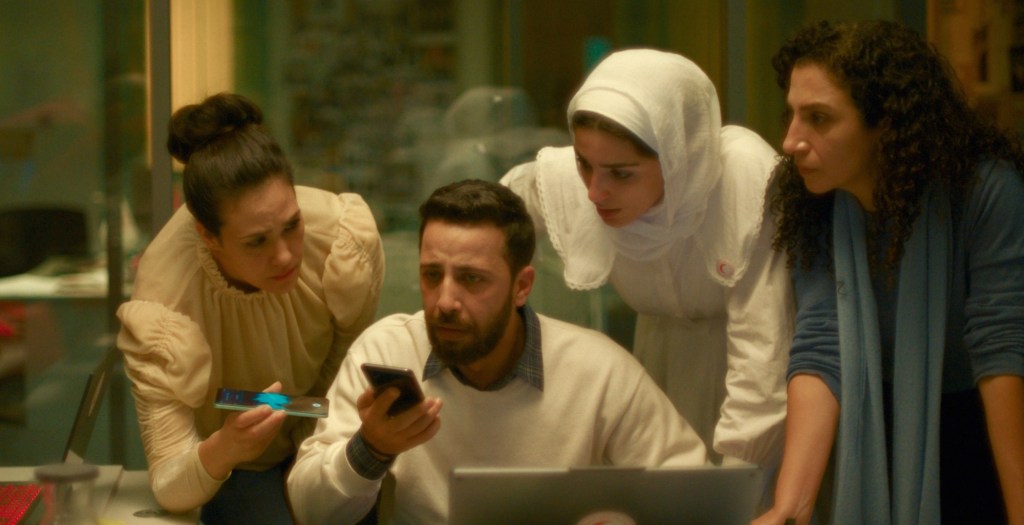
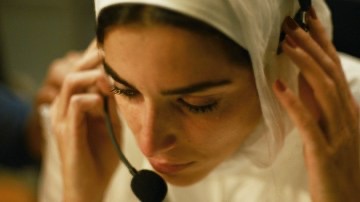
Omar (Motaz Malhees), a wide-eyed Red Crescent responder, barely settles into his desk when he’s hit with a life-changing call. It’s the terrified voice of Hind Rajab. ‘Help me. I’m scared. Please come and get me,’ she pleads, flinching at nearby gunfire as she begs to be freed from the cocoon of mangled metal and deceased family members. Omar’s eyes flood instantly, as do those of his departing colleague Rana, whom he reaches for support, instructing her to stay by his side despite her shift coming to an end.
The two take turns answering Hind’s calls and trying to comfort her by listening to stories about school and reciting prayers from the Quran. The fact that the Red Crescent’s closest first responder is located eight minutes away from the tragedy should offer hope, but only intensifies the heartbreak. The knotty bureaucracy forces supervisor Mahdi (Amer Hlehel) to seek permission from the IDF – the very military responsible for the attack – before safely sending emergency services to the scene. Any misjudgments could consign more of them to death.
This film is more than documentation; it’s an act of intervention
The ensemble cast brings an inimitable authenticity to the film, shaped by their personal connection to the story and by Ben Hania’s decision to withhold Hind’s calls from her cast until filming began.
As in her Oscar-nominated documentary The Four Daughters, Ben Hania refuses to let the audience look away. The plexiglass call centre traps heat and tension as the camera moves between tight close-ups and wide shots. The volunteers can’t leave, and neither can we, even when the final call cuts off. We never see the tanks and corpses Hind speaks of, and that absence intensifies the gut-wrenching feeling that she remains forever out of reach.
The harrowing subject and 23-minute standing ovation this breathtaking film received at the Venice Film Festival will earn it place among the frontrunners for awards, but The Voice of Hind Rajab may also open a wound for many viewers. In Ben Hania’s words: ‘Watch it and if it’s too hard, do something about it.’
Rating: 4 out of 5 Barz
Have You See The Voice of Hind Rajab? Are There Any Films That You’ve Skipped Watching Because Of A Heavy Subject Matter? Which Films Would Make Your List Of Essential Stories About Palestine?
Thank You For Reading! As Usual Comments Are Encouraged!
By Whelan Barzey
 barzino's blog